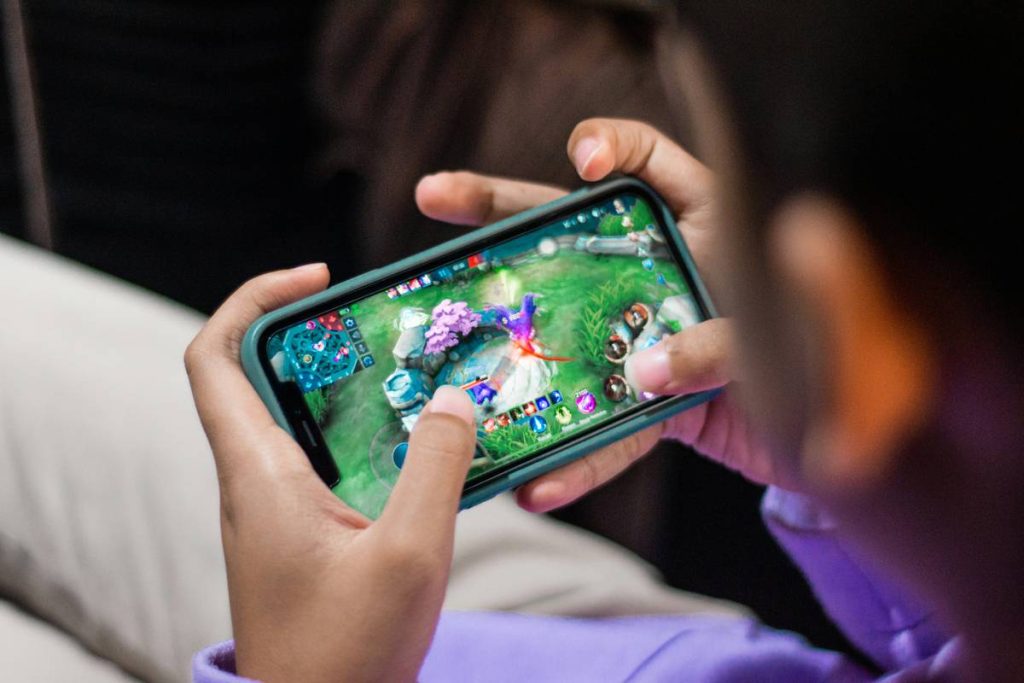
If you’ve ever queued up for a quick match of your favorite mobile shooter only to get flamed by a teammate before the first respawn, you’re not alone. The multiplayer phone gaming community is booming—over $90 billion in global revenue in 2023—but with explosive growth comes growing pains. From lag-induced rage quits to ghosting squads mid-match, navigating this space feels less like fun and more like emotional whiplash.
This guide cuts through the noise. Based on years of logging hours across dozens of titles—and one painfully public meltdown in Brawl Stars I still cringe about—you’ll learn how to find (and build) healthier spaces within the multiplayer phone gaming community. We’ll cover everything from vetting clans to managing your own in-game behavior, so you can actually enjoy playing with real humans again.
Table of Contents
- Why Toxicity Hurts Mobile Gaming (More Than You Think)
- Step-by-Step Guide to a Better Experience
- Best Practices for Positive Play
- Real Success Stories
- Frequently Asked Questions
Key Takeaways
- Avoid anonymous lobbies; seek structured communities with codes of conduct.
- Mute aggressively—but also reflect on your own triggers.
- Use voice chat wisely: it builds trust but can escalate conflict.
- Report consistently using in-game tools; developers rely on player data.
- Your attitude shapes your experience more than ping or device specs.
Why Toxicity Hurts Mobile Gaming (More Than You Think)
Unlike console or PC counterparts, mobile games thrive on immediacy. You pull out your phone during a coffee break, tap “Play,” and boom—you’re thrown into a squad of strangers. Zero context. Zero accountability. It’s the perfect storm for friction.
I learned this the hard way during a ranked Call of Duty: Mobile tournament qualifier. Frustrated after three straight losses, I snapped at a teammate for poor positioning. Instead of apologizing, I doubled down—and got reported. My rank dropped, my reputation in that clan tanked, and worst of all, I felt like a jerk for weeks. All because I forgot: behind every avatar is a real person, possibly having a tougher day than I was.
Step-by-Step Guide to a Better Experience
1. Choose Games with Built-In Moderation
Prioritize titles that enforce behavioral standards. Games like Among Us and Clash Royale integrate reporting systems directly into post-match screens. According to Riot Games’ public transparency reports (yes, they publish these!), consistent player reporting reduces repeat offenses by up to 37%.
2. Join Verified Communities
Ditch random matchmaking. Look for Discord servers, Reddit groups, or in-game guilds with clear rules. Many require applications or new-member orientations—annoying, but it filters out drive-by trolls. Check their activity: healthy communities post strategy tips, host events, and celebrate wins together.
3. Set Personal Boundaries
Decide your limits ahead of time. Will you mute after one insult? Quit if someone AFKs twice? Having a plan prevents reactive decisions that escalate tension. I now auto-mute everyone at match start unless I’m playing with trusted friends—a game-changer.
Best Practices for Positive Play
- Lead with empathy: Assume good intent. That “noob” might be 12 years old or using a borrowed phone.
- Avoid late-night ranked: Fatigue amplifies frustration. Save competitive modes for when you’re mentally fresh.
- Celebrate small wins: A well-timed heal or clutch revive deserves a “gg”—even in defeat.
- Never share personal data: Stick to in-app communication. For safety policies, review our Privacy Policy.
Real Success Stories
The PUBG Mobile community team launched “Fair Play Pledges” in 2022, rewarding players who maintained clean records with exclusive skins. Within six months, reports of verbal abuse dropped by 28% in participating regions (PUBG Corp Report, 2023). Similarly, indie hit Tiny Bubbles built its entire multiplayer mode around cooperative puzzle-solving—no combat, no trash talk, just shared problem-solving. Its 4.8-star rating isn’t accidental; it’s intentional design.
On a smaller scale, I co-founded a regional Clash Royale clan focused on mentoring new players. We enforce a “no blame” rule after losses. Result? Our retention rate is 3x the game average, and several members have even met up IRL. That’s the magic of a mindful multiplayer phone gaming community.
Frequently Asked Questions
How do I find friendly multiplayer phone gaming communities?
Start with official game Discords or subreddits. Look for pinned rules, active moderators, and event calendars. Avoid groups dominated by “lfg” (looking for group) spam—they’re often transient and unmoderated.
What should I do if I’m reported unfairly?
Most games offer an appeals process via support tickets. Keep calm, reference match IDs, and avoid retaliatory behavior. Also, check your own history honestly—we’re often harsher on ourselves than the system is.
Can voice chat improve team performance?
Yes—but only with consent. Studies show coordinated teams using voice win 22% more matches (ACM Human-Computer Interaction, 2021). Always ask before transmitting.
Is it worth reporting toxic players?
Absolutely. Developers use aggregated reports to train AI moderation and ban serial offenders. One report might not trigger action, but hundreds will.
How does Rapaszky ensure trustworthy gaming advice?
We test every recommendation in real matches across multiple devices. Learn more about our methodology on our About Us page.
Want to share your own community success story?
We’d love to feature it! Reach out anytime through our Contact Us page.
In the end, the healthiest multiplayer phone gaming community isn’t found—it’s built. One respectful message, one supportive gesture, one conscious choice at a time. So next time you tap “Play,” remember: you’re not just joining a match. You’re shaping the culture.
Now go queue up—and leave it better than you found it.